


Rapid Tooling - Solidator 3D printers for industry
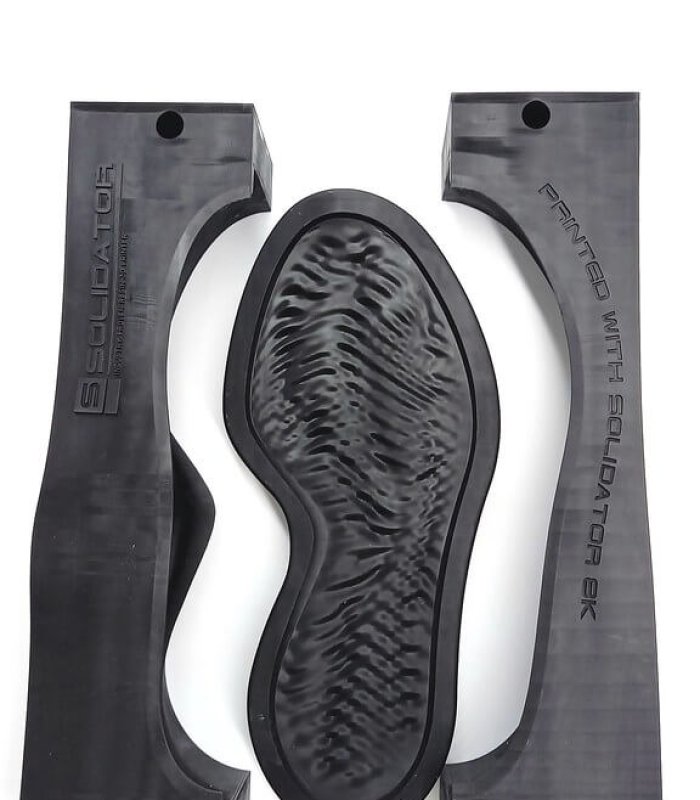


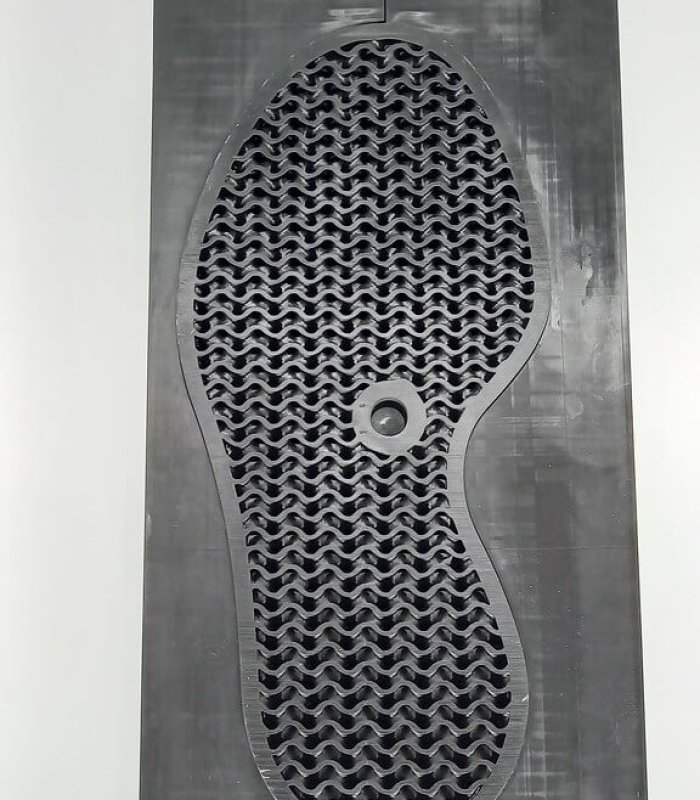
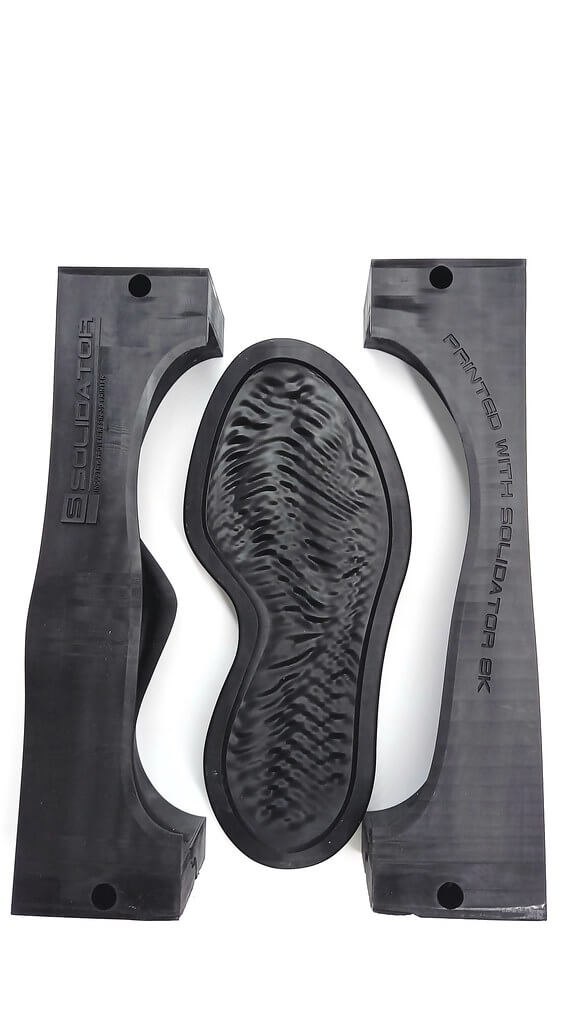
Rapid tooling mould making: 3 parts in one print run, approx. 16 hours per run
Rapid tooling with 3D printing - efficient tool production for industry
Rapid tooling with 3D printing opens up completely new possibilities in toolmaking. Instead of lengthy manufacturing processes, you can use rapid tooling to produce tools, moulds, fixtures or inserts quickly, flexibly and cost-effectively. Solidator combines modern MSLA technology with high-performance materials and optimised workflows so that your rapid tooling project can be reliably implemented both as a prototype and close to production.
What is Rapid Tooling?
In rapid tooling, tools or tool components are produced using additive manufacturing processes (e.g. 3D printing) instead of the traditional methods of milling, casting or eroding. This involves not only models or prototypes, but also functional tools that can be used in production, such as moulds, tool inserts, assemblydevices or adhesive templates.
Rapid tooling enables design changes to be implemented quickly, tools to be delivered without long lead times and costs to be reduced - especially for small series or tests. Unlike traditional toolmaking, where changes are often costly and time-consuming, rapid tooling can react flexibly to optimisations.
Advantages of rapid tooling through 3D printing
The advantages of Rapid tooling are convincing - especially when it comes to time, costs and flexibility:
Fast production
With rapid tooling, tools can be produced within a few hours or days instead of weeks or months as was previously the case.
Cost savings
For small series or tests, there is no need for the high level of effort that is otherwise required in classic toolmaking.
Freedom of design
Complex geometries, integrated functions or near-contour structures are possible, which would be difficult to realise with conventional processes.
Iterative customisation
In the rapid tooling process, tool designs can be easily adapted and reprinted.
Integration into production processes
Rapid tooling tools can be integrated directly into processes such as injection moulding, thermoforming or assembly.
Rapid tooling can significantly shorten innovation cycles and make product development more agile.
Rapid tooling and MSLA technology
Solidator's MSLA printing technology is ideal for rapid tooling. With the help of large-area exposure, high-precision tools with smooth surfaces and fine details can be produced.
- High printing speed → fast tool production
- Large build volume → ideal for large mould components
- High precision and stability → perfect fit for industrial applications
- Variety of materials → from rigid high-performance resins to flexible materials
With the help of MSLA-based rapid tooling, injection moulds, thermoforming tools or assembly gauges, for example, can be produced efficiently.
Materials for rapid tooling
The success of rapid tooling depends largely on the material used. Solidator offers high-performance resins specially developed for tooling applications.

Examples

Examples
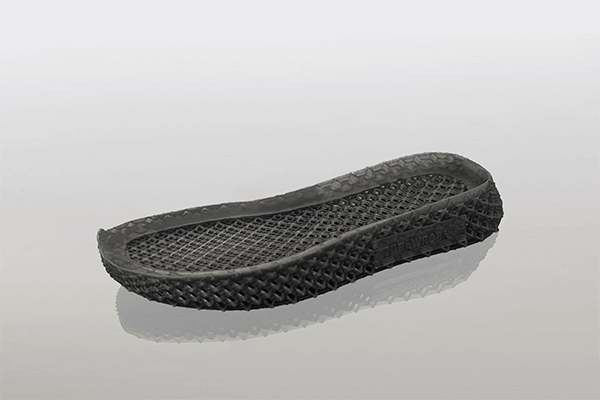
Examples
With the right choice of material, rapid tooling tools can be used for both small series and permanent production steps.
Areas of application for rapid tooling
Injection moulding and mould making
Rapid tooling enables the rapid production of precise mould inserts for injection moulding. This allows companies to implement small series or test runs cost-effectively and flexibly without having to invest in expensive series moulds. Rapid tooling offers the opportunity to quickly implement design changes and accelerate production processes.
Thermoforming or vacuum moulds
Rapid tooling is very suitable for the production of thermoforming or vacuum moulds. Thanks to 3D printing, tool plates or moulding tools can be produced in a very short time. With the help of these rapid tooling solutions, efficient production of prototypes, packaging or small series with high mould accuracy is possible.
Assembly jigs & templates
Rapid tooling plays a central role in the production of assembly jigs and templates. Thanks to the high precision of modern 3D printing processes, precisely fitting devices can be produced that speed up production processes and minimise errors. Above all, rapid tooling enables flexible production with short delivery times.
Orthopaedics & medical applications
Rapid tooling can be used to produce customised tools and moulds for orthopaedic and medical applications. Thanks to the adaptability of this method, patient-specific moulds or aids can be manufactured efficiently. Speed and precision are particularly decisive advantages in this area.
Automotive & Consumer Goods
In the automotive and consumer goods sectors, rapid tooling significantly accelerates the development of new products. Companies can use it to quickly produce tools for internal tests, validations or small series. This reduces time-to-market and increases flexibility in product development.
Press moulds and moulds for silicone
Rapid tooling is ideal for the production of press and silicone moulds. Modern 3D printing technology can be used to create flexible and temperature-resistant tools that are ideal for casting or moulding processes. Rapid tooling enables the quick realisation of individual designs and significantly reduces production time.
Thanks to this flexibility, rapid tooling is an indispensable element of modern manufacturing processes.

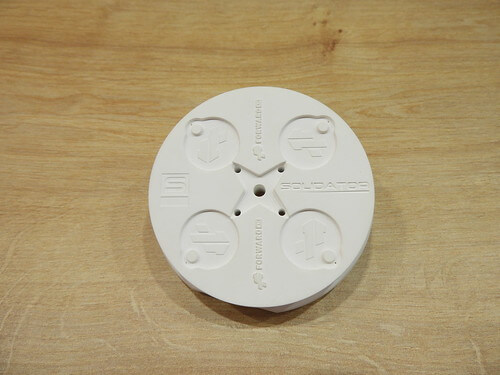
Rapid tooling - procedure & process steps
A typical workflow for Rapid Tooling with Solidator includes:
1. tool design & construction
Design of the tool in CAD, taking into account tolerances, material requirements and manufacturability for 3D printing
2. material selection & simulation
Select a suitable material type (e.g. "High Strength Resin") and, if necessary, carry out a simulation to test the heat resistance or formability.
3. print preparation & slicing
The Solidator software tool is used to generate support structures, optimise parameters and prepare the model for printing.
4. 3D printing (rapid tooling printing)
Rapid tooling printing starts and the MSLA printer creates the tool layer by layer with high precision.
5. post-processing & refinement
The surface is cleaned, cured and, if necessary, mechanically processed (e.g. sanded or polished) to improve its properties.
6. tool use & test
The rapid tooling tool is used in the application, e.g. in the injection moulding or thermoforming process, and tested under real conditions.
Feedback & optimisation
The tool design is revised on the basis of tests and new iterations are generated in the rapid tooling process. This structured process makes rapid tooling efficient, reliable and usable for real production environments.
Conclusion - Rapid tooling as a key technology for toolmaking
Rapid tooling enables a more efficient, faster and more flexible transition from prototyping to functional tooling. With its powerful MSLA printers and suitable resins, Solidator offers a robust platform for rapid tooling in industrial applications. The strategic use of rapid tooling can shorten development cycles, reduce risks and enable innovative tool design.
Use Rapid Tooling with Solidator to take your tool production to the next level.
Difference between rapid tooling and rapid prototyping
Rapid tooling differs significantly from rapid prototyping, even though both processes are based on 3D printing. While rapid prototyping involves the rapid development and validation of product ideas, rapid tooling aims to manufacture functional tools for production. This means that rapid tooling can be integrated directly into industrial processes and enables the production of small series, pilot productions or test runs. In contrast to pure prototypes, rapid tooling tools can withstand higher loads and are suitable for real applications.
Rapid tooling offers greater stability, precision and consistency, which significantly reduces production time. Rapid tooling is therefore the next logical step after prototyping if a product is to be tested or produced close to series production.
Rapid tooling reduces costs and significantly accelerates innovation cycles. Modern MSLA technology makes rapid tooling particularly efficient and flexible. Rapid tooling helps companies to shorten development times and get to market faster. Rapid tooling and rapid prototyping therefore complement each other ideally in an integrated manufacturing strategy.
Rapid tooling & rapid prototyping with Solidator
Solidator offers powerful MSLA 3D printers that optimally support both rapid prototyping and rapid tooling. Thanks to high printing speeds, large build volumes and stable technical materials, companies can
- Manufacture prototypes and tools directly in-house
- Drastically shorten development cycles
- and making production more agile
The combination of rapid prototyping and rapid tooling is therefore the basis for efficient, flexible and future-proof production.
Conclusion: Rapid tooling vs. rapid prototyping - two steps, one goal
The difference between Rapid tooling and rapid prototyping lies mainly in the application:
- Rapid prototyping accelerates development
- Rapid tooling speeds up production
Those who combine both technologies benefit from an end-to-end, agile process chain - from the initial idea to small series production.
With Solidator's modern MSLA printing technology, prototypes and tools can be produced in the shortest possible time and with the highest precision.

Request sample print
Are you already interested, but would like to test our print quality first? No problem! We offer you a test print here.
3D printing materials
Achieve the best 3D print quality by choosing the right materials.
Leasing
With flexible leasing options, businesses can use the latest 3D printer models to produce prototypes and bespoke parts cost-effectively.
Buy
Purchase the Solidator 3D printer and expand your manufacturing capabilities with an economical solution.
